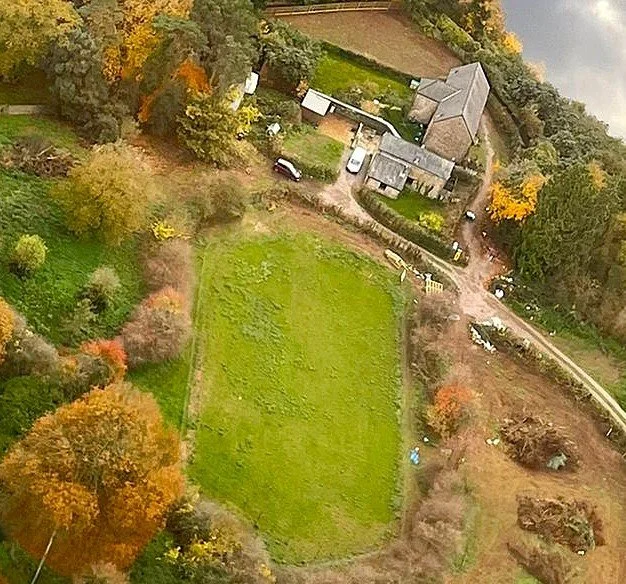
Tonight is Franklin's night - the battle with the devil!
Franklin’s Night is a Pagan tradition, which historically involved the head cider maker having a fight with the devil! The old story goes that a late frost was the devil’s work, so if the cider maker could defeat the devil there would be no frost to wither early spring growth, plenty of apples to harvest in autumn and copious amounts of cider to enjoy!
Legends suggest that Franklin, a brewer looking to increase his beer sales by taking cider out of the equation, sold his soul to the devil to send a late frost. So, Franklin’s Night celebrations evolved with a fight with the devil at the heart of the event!
At Wye Chase Vineyard, we're on the side of the head cider maker as a late frost would be a catastrophe for our new vines.

Happy ending to 'Ice Saints'!
Unusual late frosts have damaged a large percentage of UK vines this spring and of course precious garden plants.
However, we are now just past the traditional period when a late frost is likely to occur which is called 'Ice saints' and fortunately the newly planted vines at Wye Chase Vineyard seem to have escaped unscathed. We believe that this is due to our sheltered position near Chepstow on the Severn Estuary, benefiting from mild Atlantic influences.
In UK and European weather lore, the Ice Saints are a cluster of saint’s feast days associated with a final cold snap, long believed to mark the last likely frost window:
Saint Mamertus — 11 May
Saint Pancras — 12 May
Saint Servatius — 13 May
Saint Boniface — 14 May
Saint Sophia — 15 May
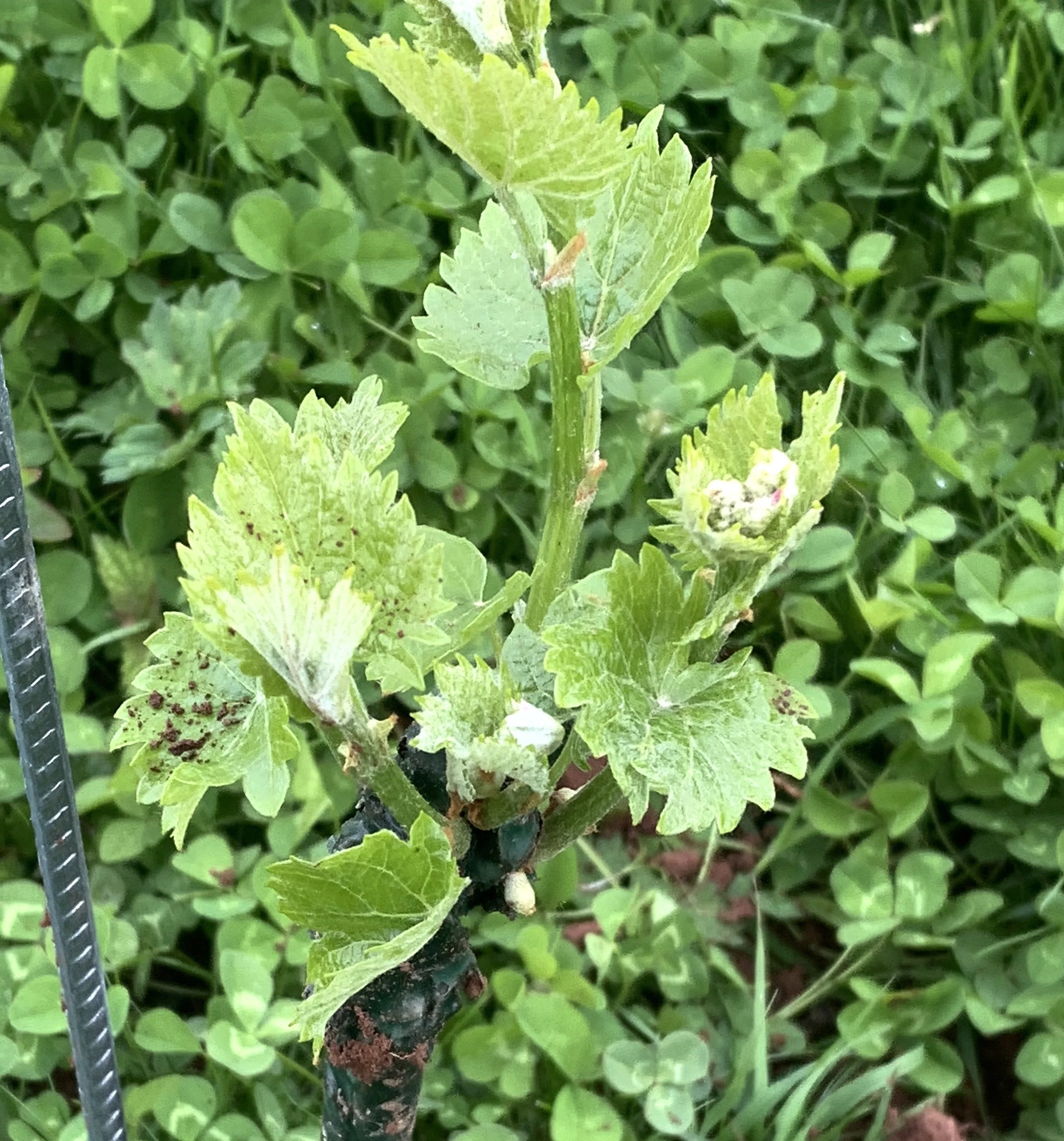
Wye Chase Vineyard is sparking into life!
Budbreak has arrived in the new vineyard. The first buds are pushing through the grafting wax — the official start of year one. Plenty of work ahead, but it’s brilliant to see the vines waking up after only 11 days from planting.
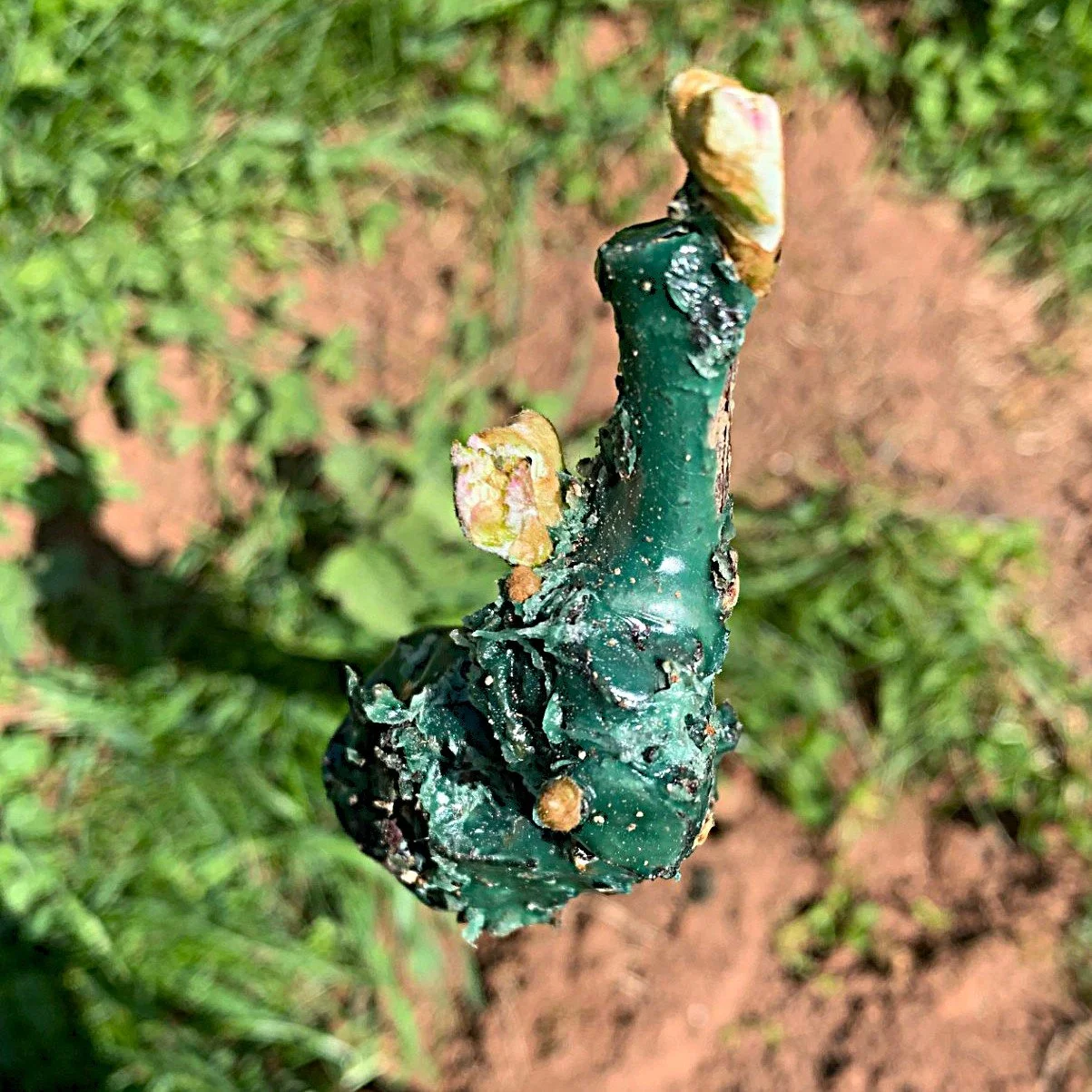
Wye Chase Vineyard has been planted!!
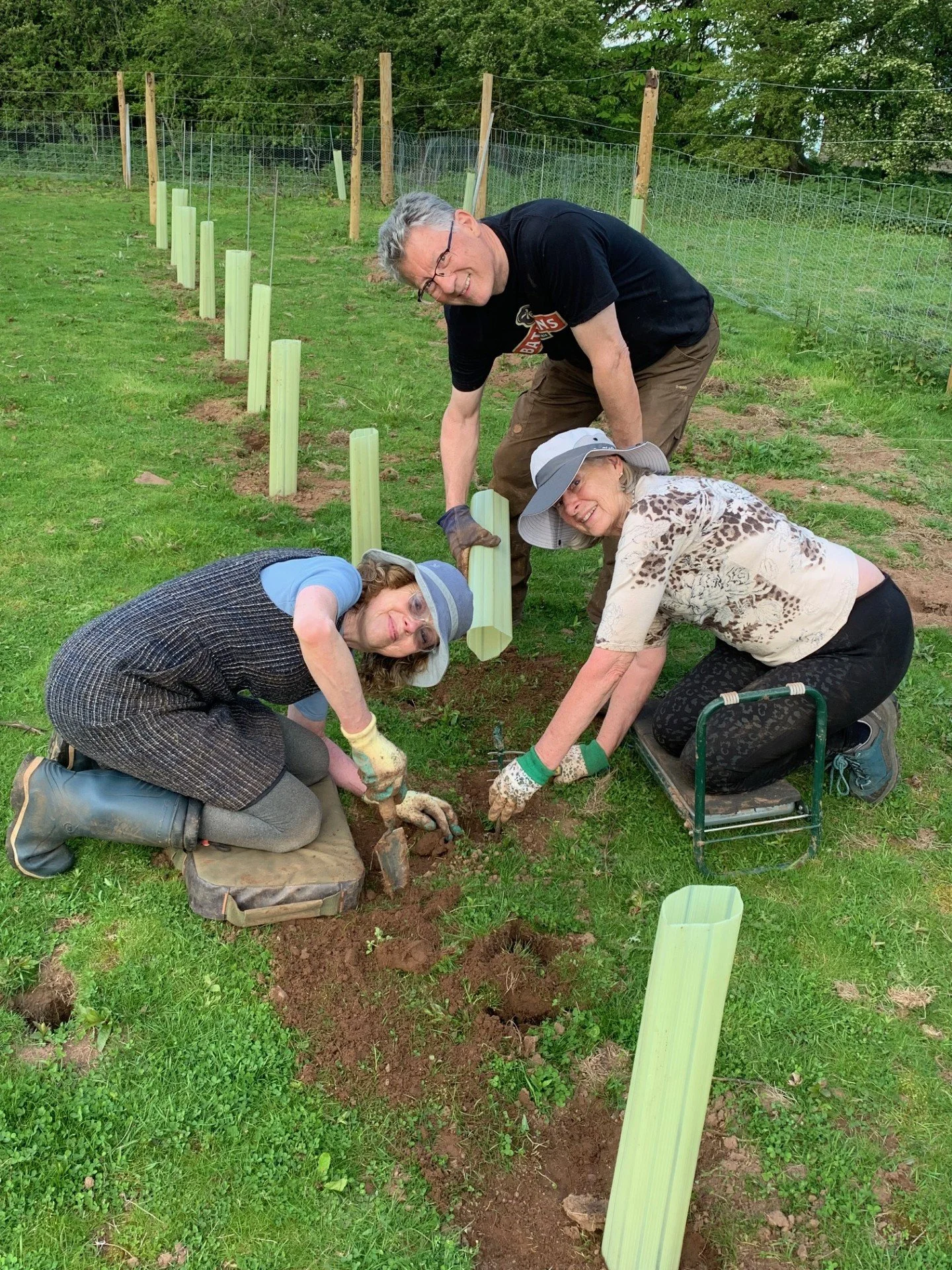
Thanks to our superb friends and family, we have planted this weekend 600 Seyval Blanc Vines. Another 100 "spares" have also been temporarily planted in order to be ready to replace any vines that do not "thrive".
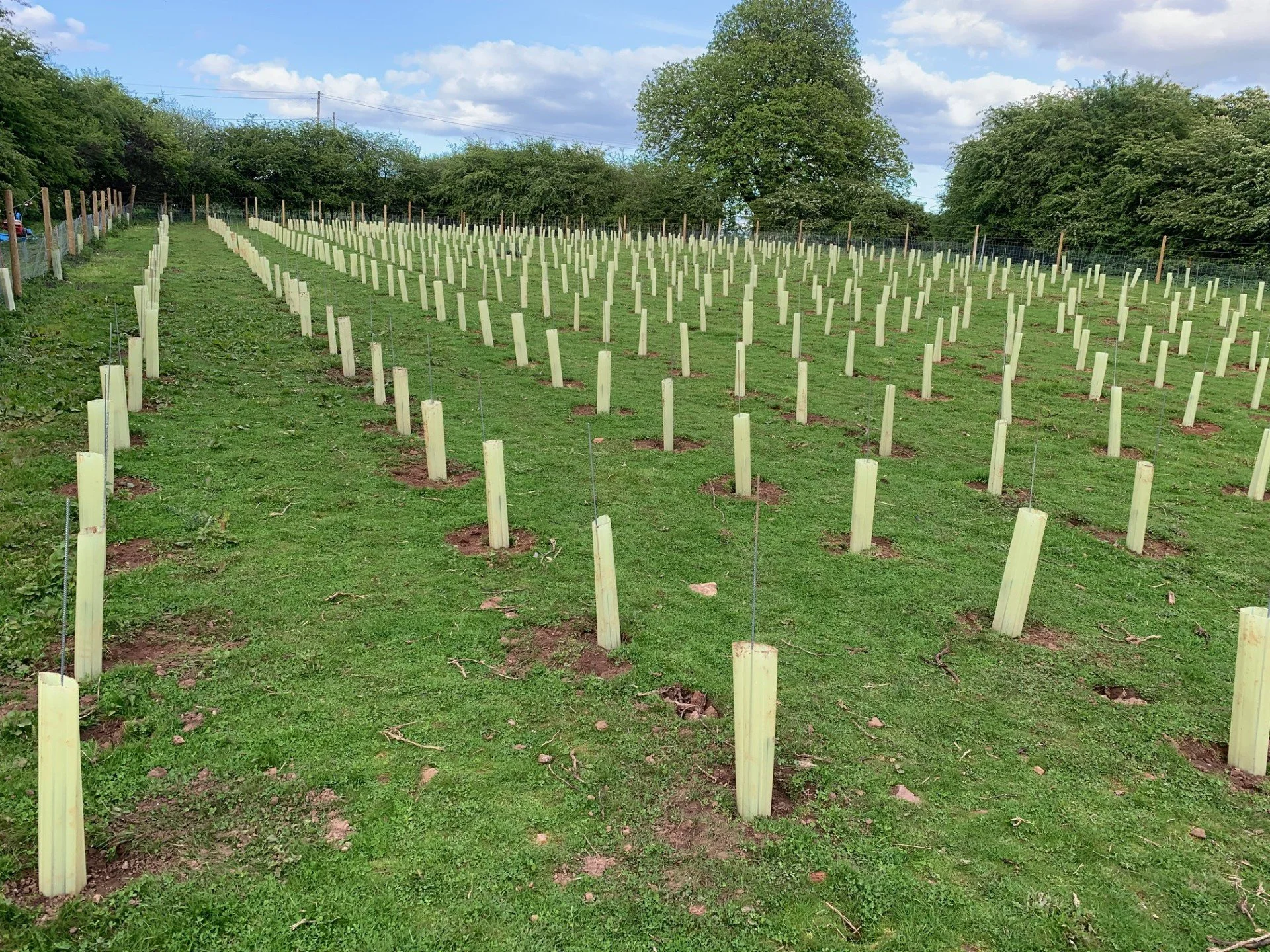
Getting Ready for Planting
Our Vines arrive in four weeks time! It is therefore time to finalise preparations.
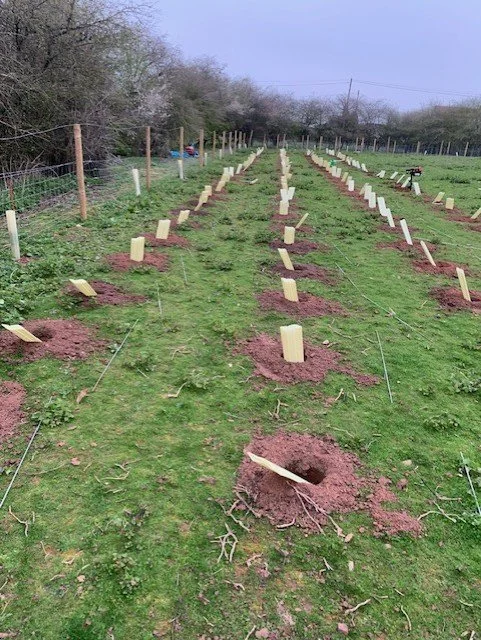
Over the winter, we have put in temporary end posts for each row and then used taught rope between them to make sure the rows are nice and straight. We then put in vine stakes to mark the position of each vine which are 120cm between each vine in a row and 180cm between each row.
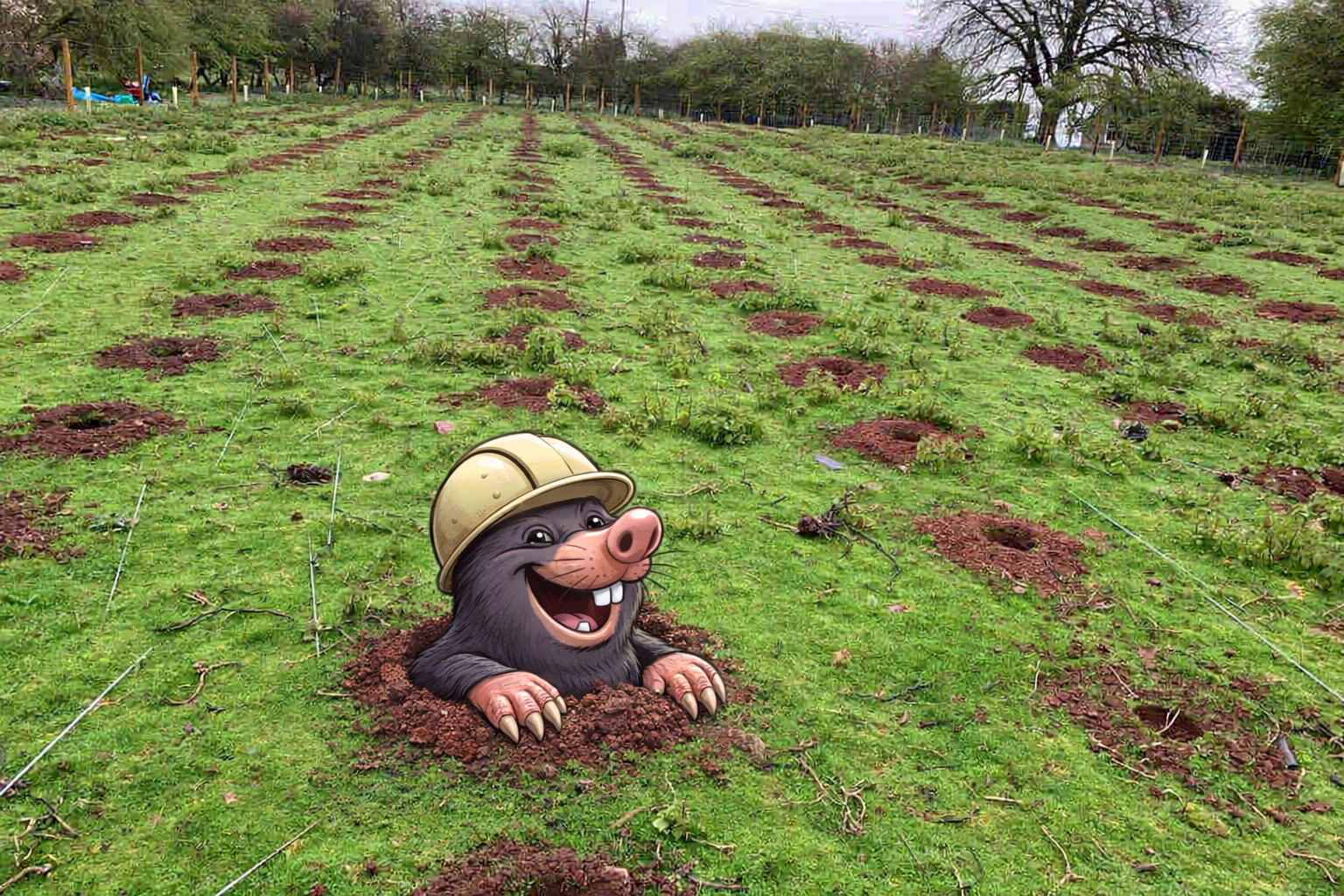
The job now is to dig holes for each vine which are about 30cm deep using an auger. Easier than a spade but still I have sore muscles that I didn't know I had!
We are then placing vine shelters in each hole ready for planters to put these around the vines in April to protect them from rabbits and to retain warmth to accelerate growth in the early months.
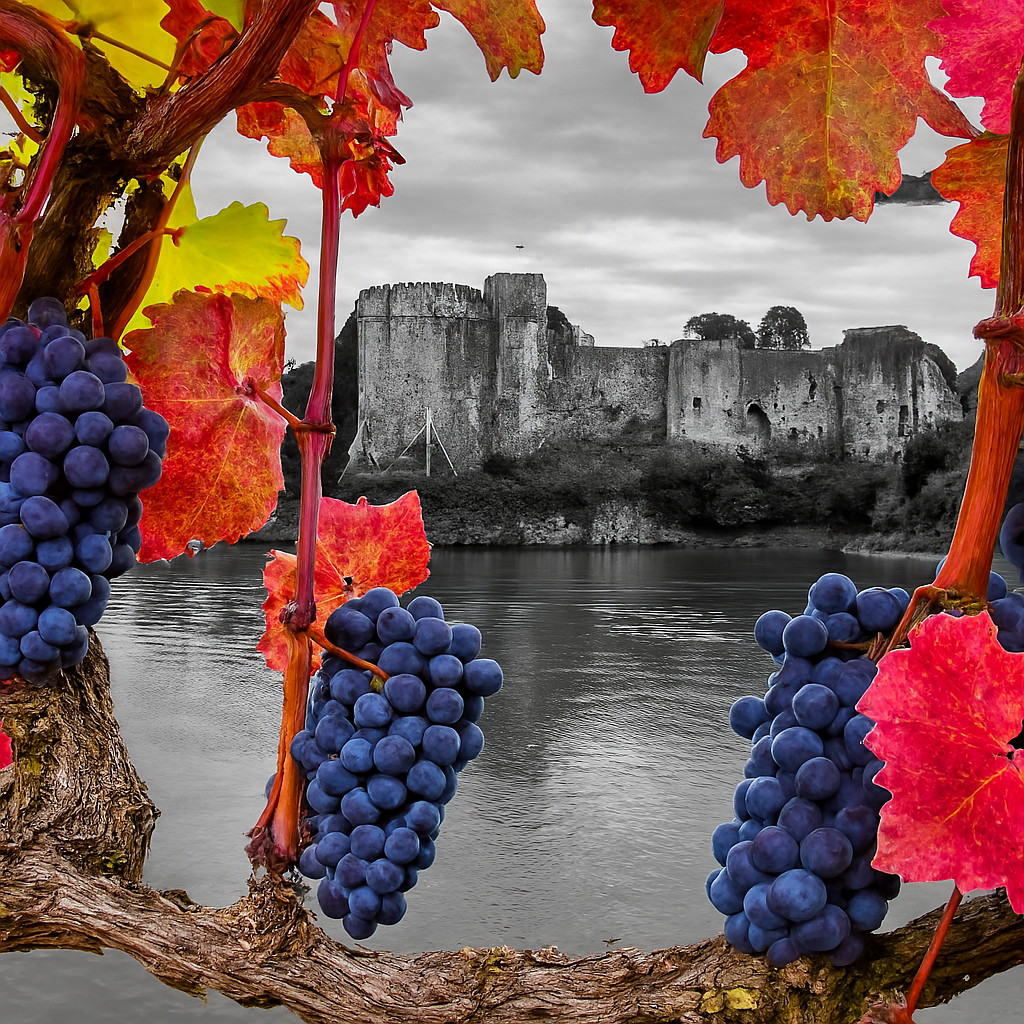
We can beat the French - The climate of Chepstow and the Southern Wye Valley is perfect for Wine Production
One of the fascinating things about living in Chepstow is realising just how closely our local climate mirrors that of northern France — especially regions like Champagne — as they were before modern global warming began to shift weather patterns.
Chepstow sits in a sheltered position on the Severn Estuary, benefiting from mild Atlantic influences, long growing seasons, and relatively low frost risk. Historically, these conditions lined up remarkably well with the pre‑warming climate of areas such as Champagne, Picardy, and the Loire’s northern fringes.
Before global temperatures began to rise, those French regions enjoyed cool but stable growing seasons, moderate rainfall and long daylight hours.
Chepstow now shares that same climatic profile — cool, maritime, and steady — which is why our corner of the Wye Valley is increasingly recognised as a natural home for high‑quality wine production. In many ways, we’re experiencing the kind of conditions Champagne relied on for centuries.
It’s a reminder that our landscape isn’t just beautiful — it’s climatically special, too. And as global warming continues to reshape traditional wine regions, places like Chepstow are stepping into a role that once belonged almost exclusively to northern France.
A little slice of Champagne… right here on the English/Welsh border.
Spring is on the way!
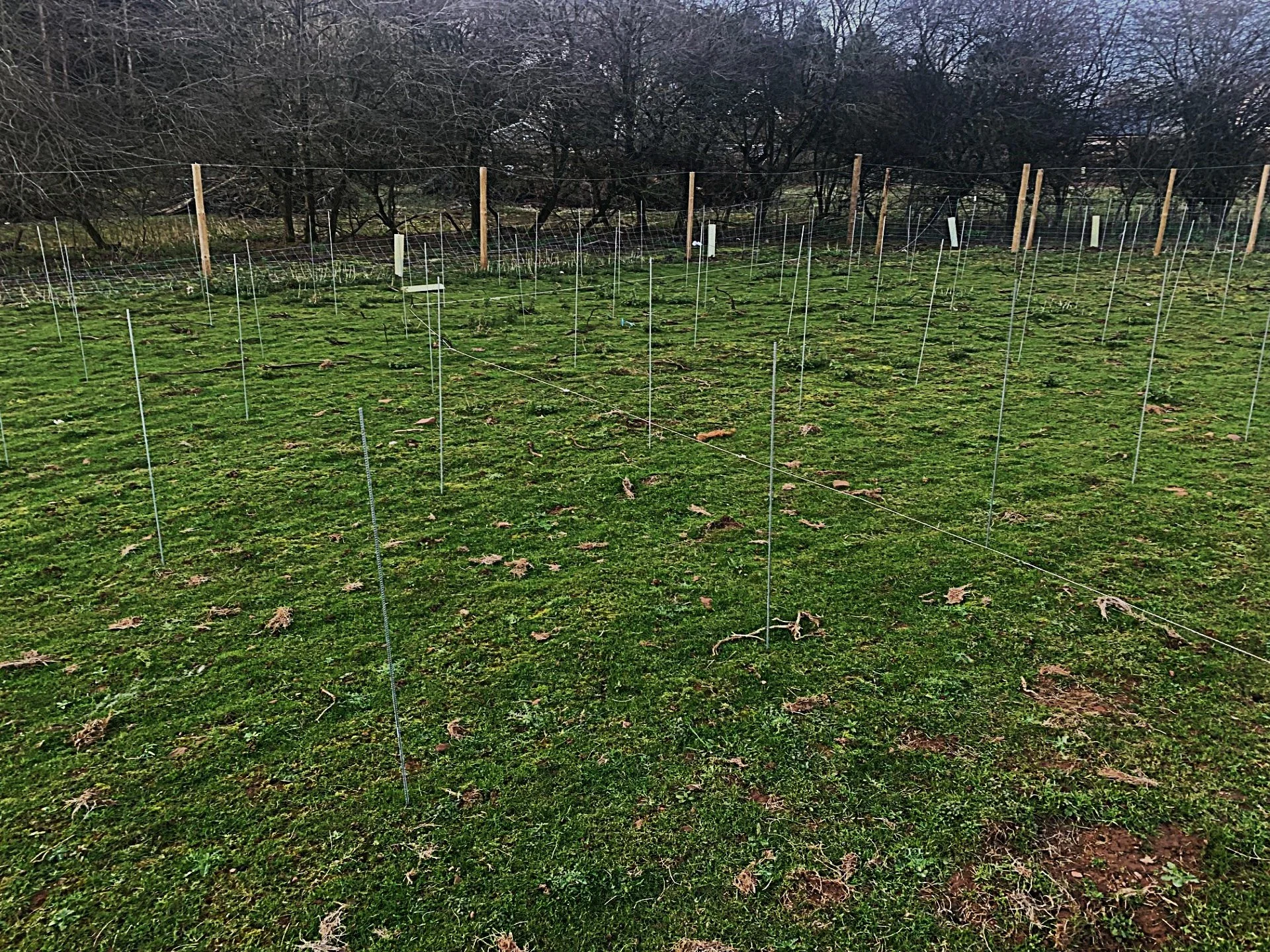
Spring is on the way in the vineyard! Snowdrops are in full flower, Daffodils are just beginning and nightfall is noticeable later. Now is the start of a very busy but exciting time for us at Wye Chase Vineyard. At the end of March, we have 700 Pinot Noir vines being delivered for planting. We have therefore marked out the spacing between the vines (1.2m) within each row and between the rows (1.8m). The next stage is to dig the 700 holes ready for planting to begin at Easter. It would be nice to do this in the dry but its nice to be outside no matter what!
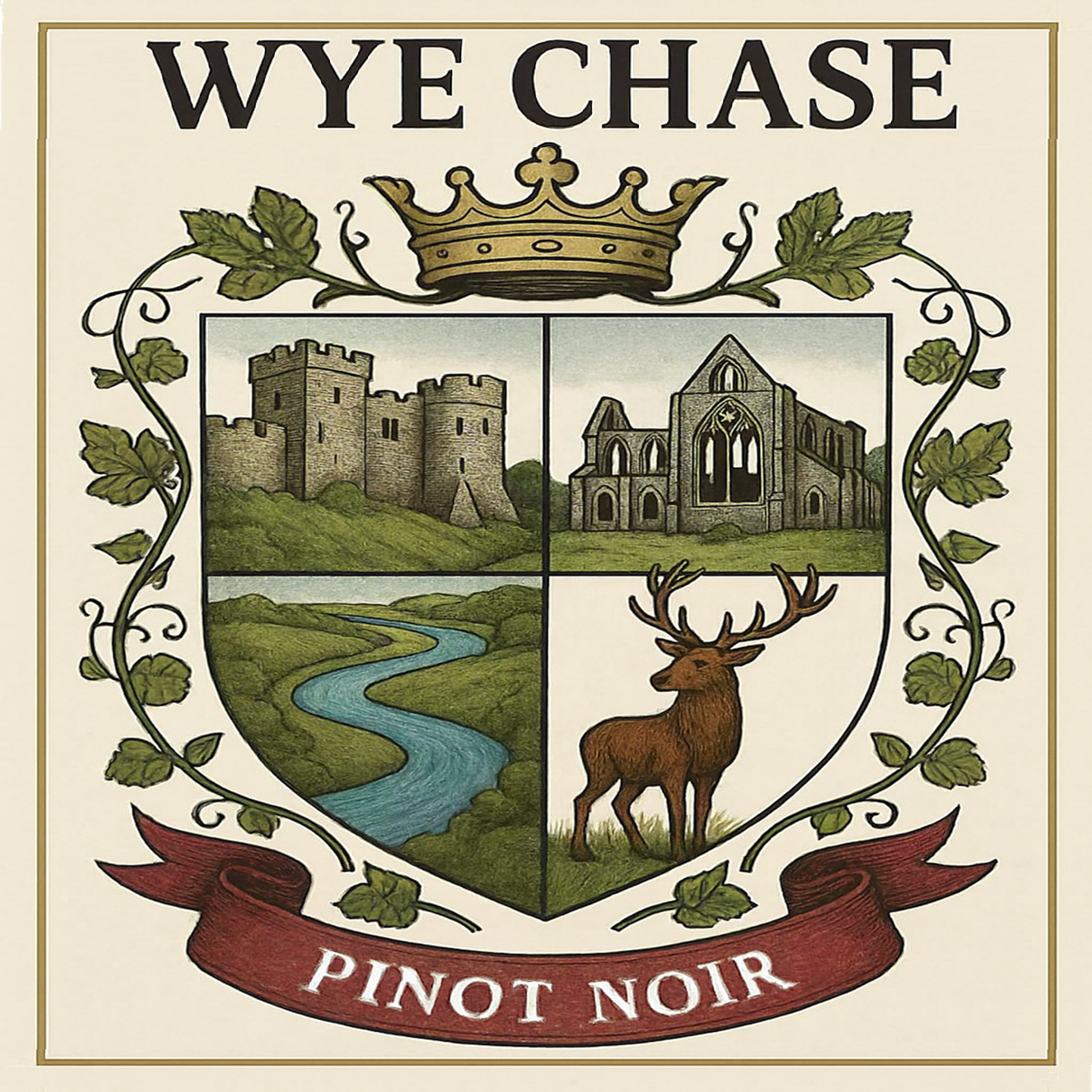
Wine Label
We have used Social Media to help us decide between the various options for the label of the 2025 Pinot Noir wine due to be on Sale in July and have decided on the following concept. This is now being refined and hand painted. I really hope that you will like the final version!

Wine Tasting
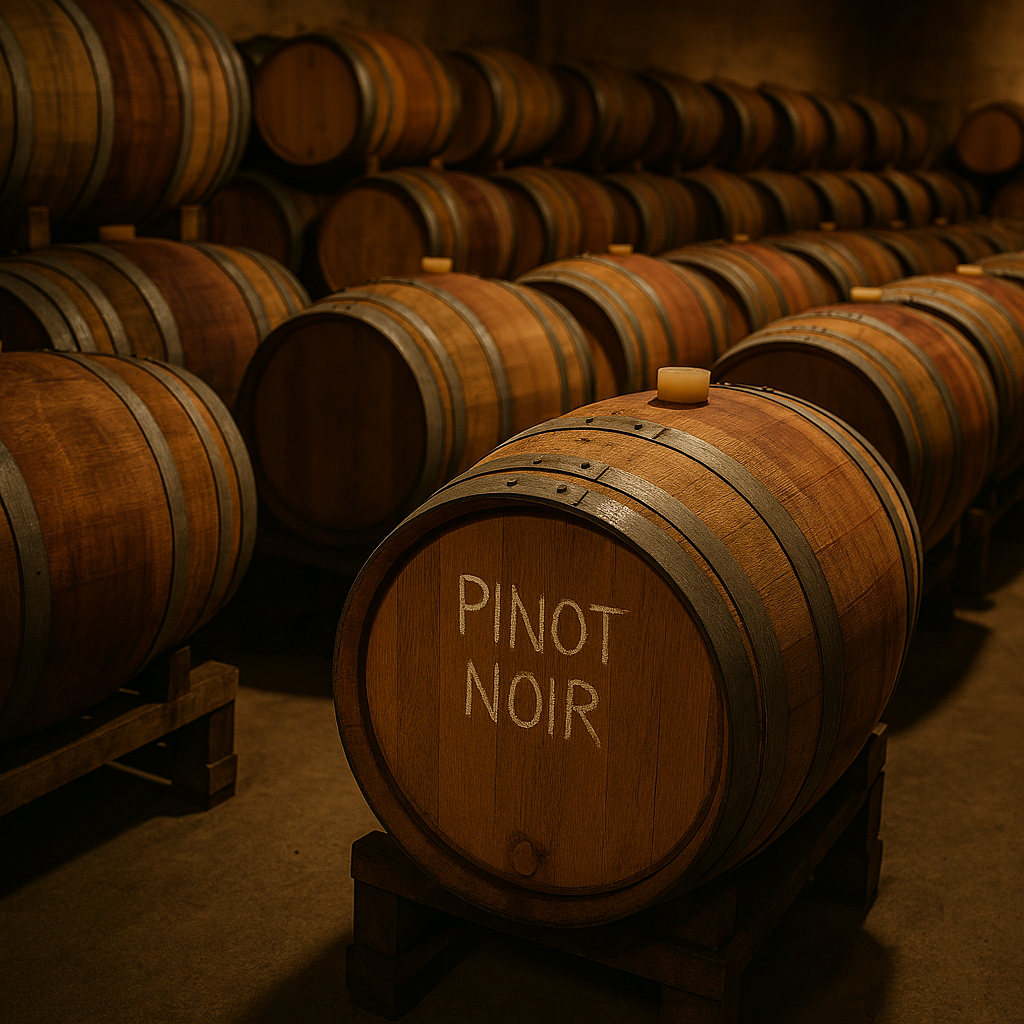
Our 2025 Pinot Noir wine is now ready for tasting and it tastes amazing. I am of course biased but this has been tasted by local experts and they agree that as expected the 2025 vintage is exceptional. The next stage is to oak mature the wine on its lees for a few months prior to bottling to add complexity and soften the tannins. It is hard to wait to taste the final wine but I am sure the wait will be worth it!
Wine Label
We are currently thinking about the design for the label for the Pinot Noir wine that we intend to start to sell in the summer. Wye Chase Vineyard is in an amazingly beautiful location in the Wye Valley Area of Natural Beauty, in the ancient hunting grounds of Tidenham Chase, on the edge of the Ancient Forest of Dean and on the banks of the River Severn. This is also the perfect Terroir to produce excellent wine and therefore we are thinking that the label should depict this perfect location. We have gone through many iterations and we now think we are getting close with the image below? Please use the Contact Us form via this web site if you have any polite comments, positive or negative?
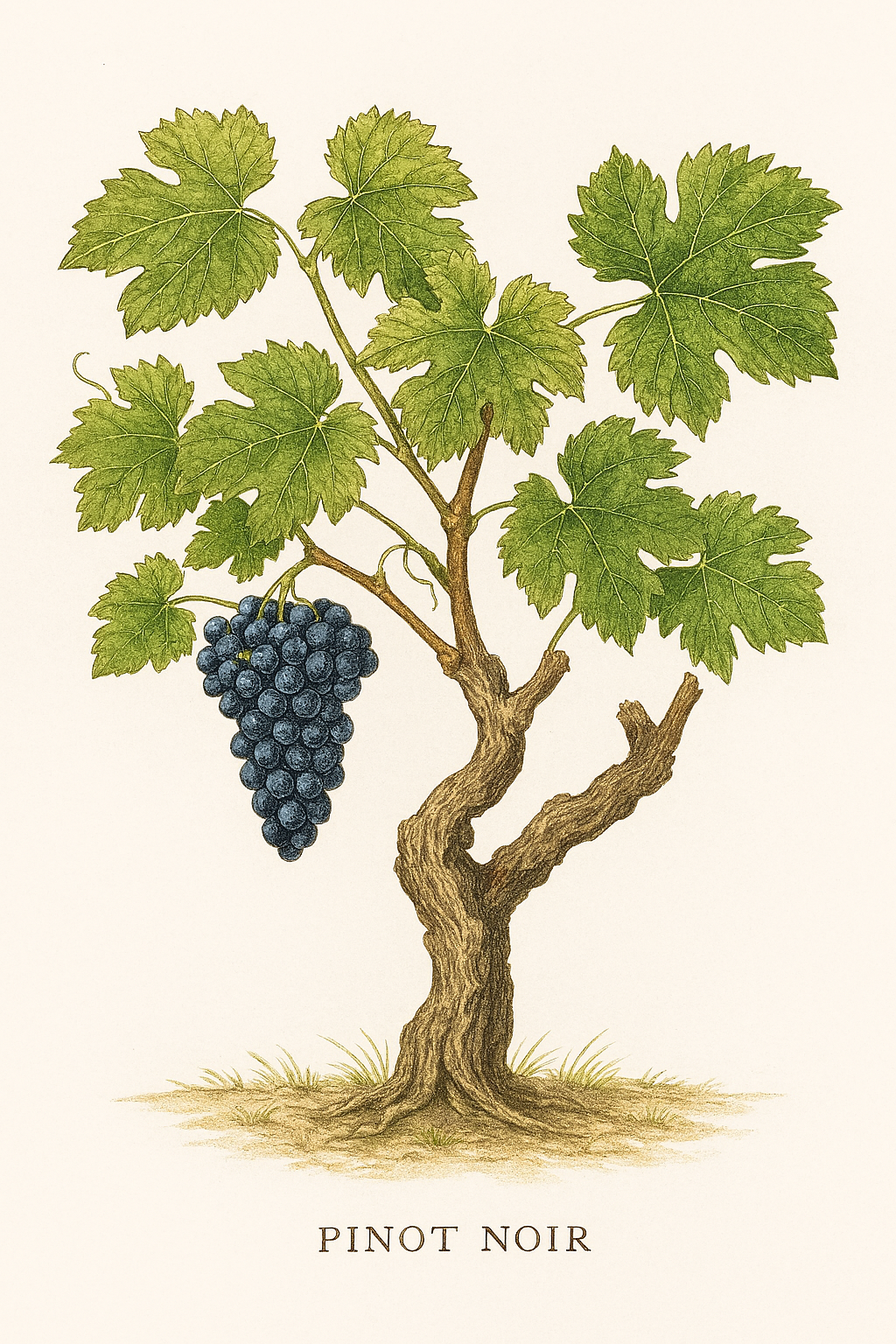
Pinot Noir Red Wine
2025 was a special one for UK vineyards, especially those growing red grapes such as Pinot Noir which in a bad year can be difficult; in a good year can be great but in 2025 the grapes were exceptional! This was the warmest British summer since 2018, averaging over 16 °C from June through August. Consistent warmth and sunlight allowed even ripening; dry weather reduced disease pressure, particularly powdery mildew and botrytis; and early harvest windows gave winemakers flexibility to pick at optimal maturity.
We have therefore bought Pinot Noir grapes this year from neighbouring vineyards, taking advantage of the exceptional vintage. These are being made into a still red Pinot Noir wine which we are very excited about as the grapes were beautifully mature, disease free and with perfect sugar/acid balance. The wine will be available for sale in Summer 2026 - not that long to go!
Our Field Mower is finally under Cover!
Our Field Mower is finally under cover! I made a shelter for it just before the heavy winter rains came and then they came and came again and again. So much so that the mower dug itself in when I tried to move it. Finally, we have had a dry week here and it is now snuggled in for the rest of the winter.
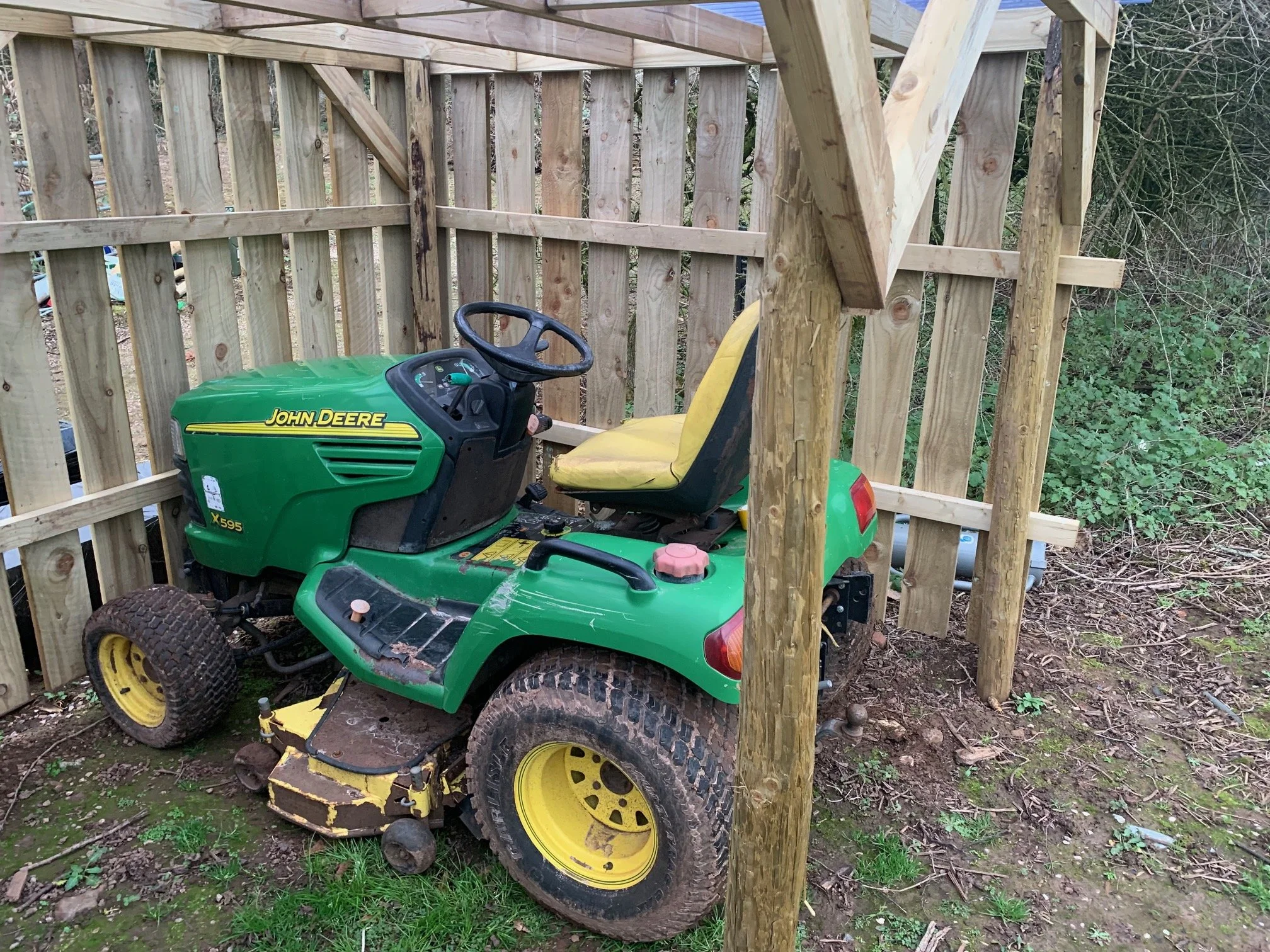
All snuggled in.
Fruit Trees
Today we finally planted our fruit trees along the boundary between the vineyard and the lane. These arrived a little later than expected but should look fabulous when in full blossom. They are a mix of Apple, Pear, and Plum trees. They should grow to a maximum of 3m tall which should make harvesting the fruit nice and easy.
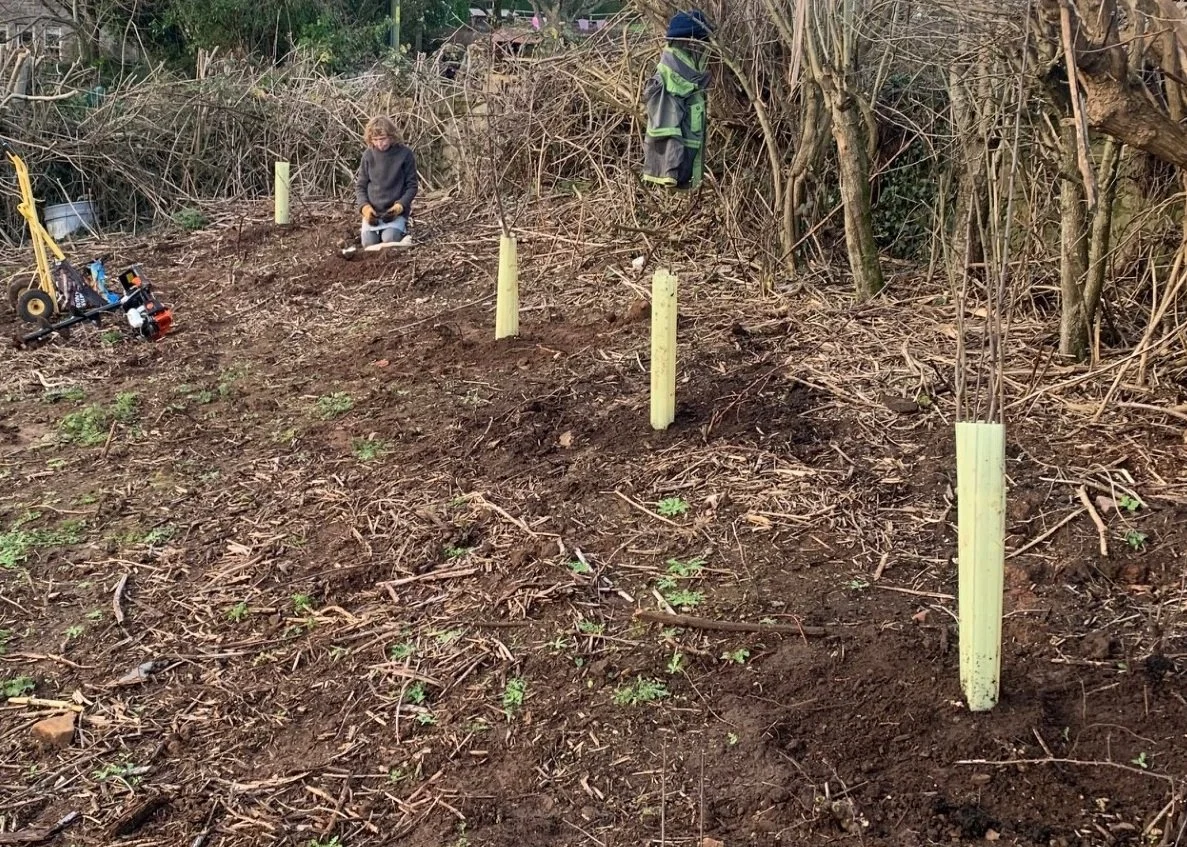
I like hard work - I could photograph it all day!
Roses all Planted!
Today we finally finished planting all the roses around the perimeter of the vineyard which is a great achievement but has made us realise the full scale of the challenge of manually planting all the vines in March!
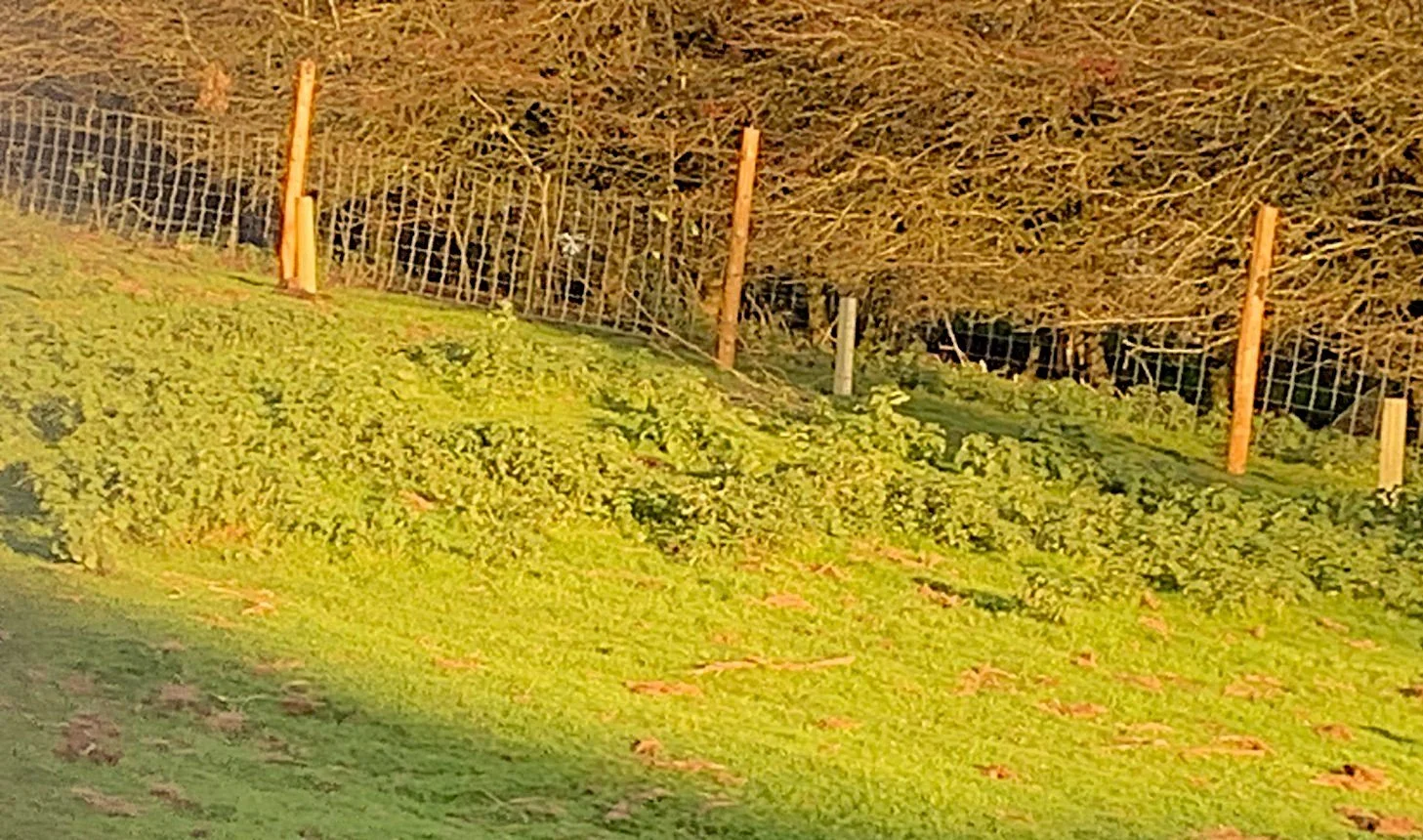
Next weekend we will be planting some small fruit trees around parts of our boundary. These are on a dwarf root stock so that they do not get out of control and should look stunning when in blossom. They are various varieties of apple, pear and plum. We will post pictures next weekend.
Day 2 Planting Roses
We planted roses again today which was hard work but now getting into a good routine (although we did manage to plant one rose upside down with roots pointing upwards!).
We used an auger to dig the holes which worked really well until we hit stones which are great for drainage but not for digging holes…
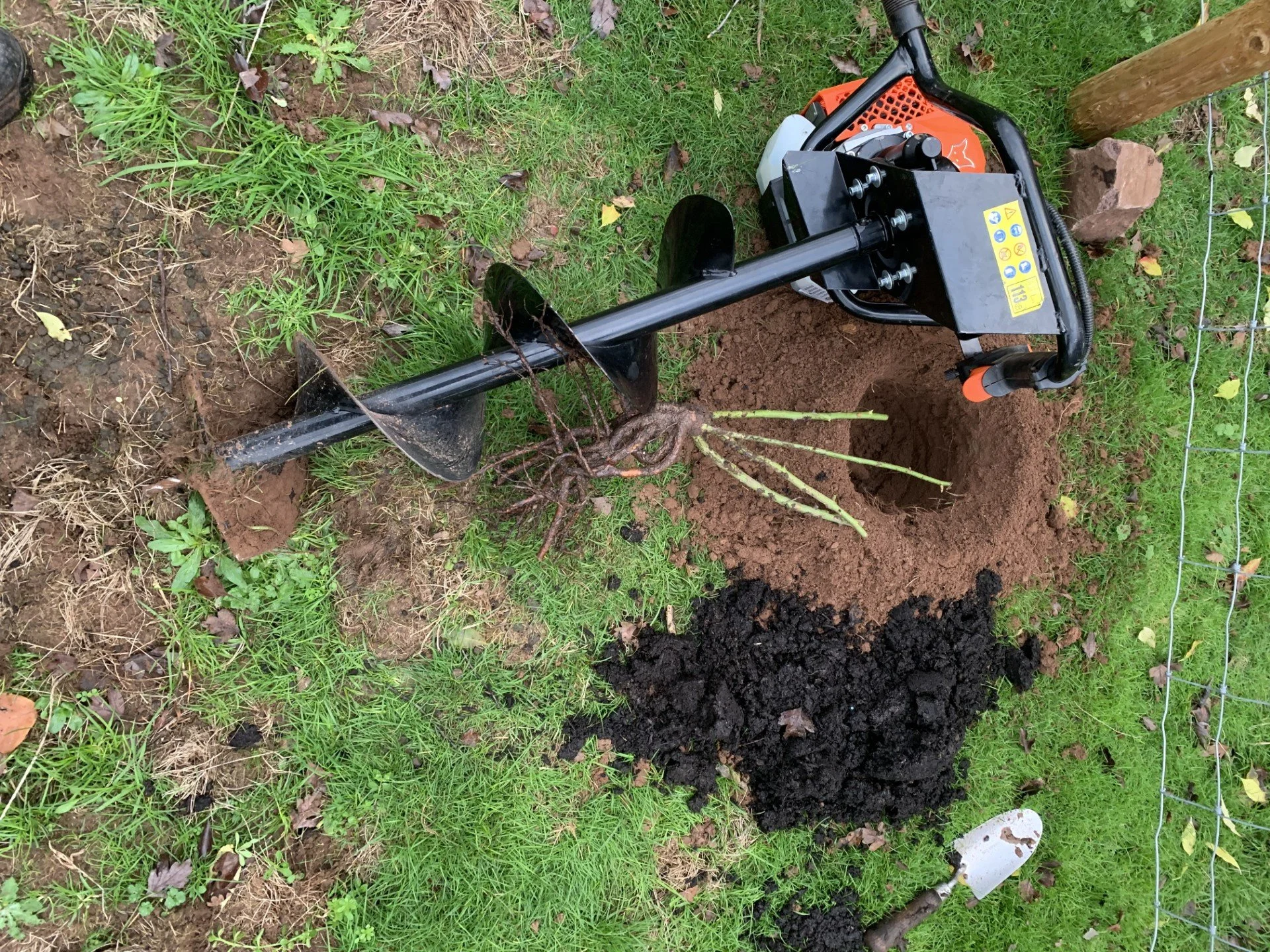
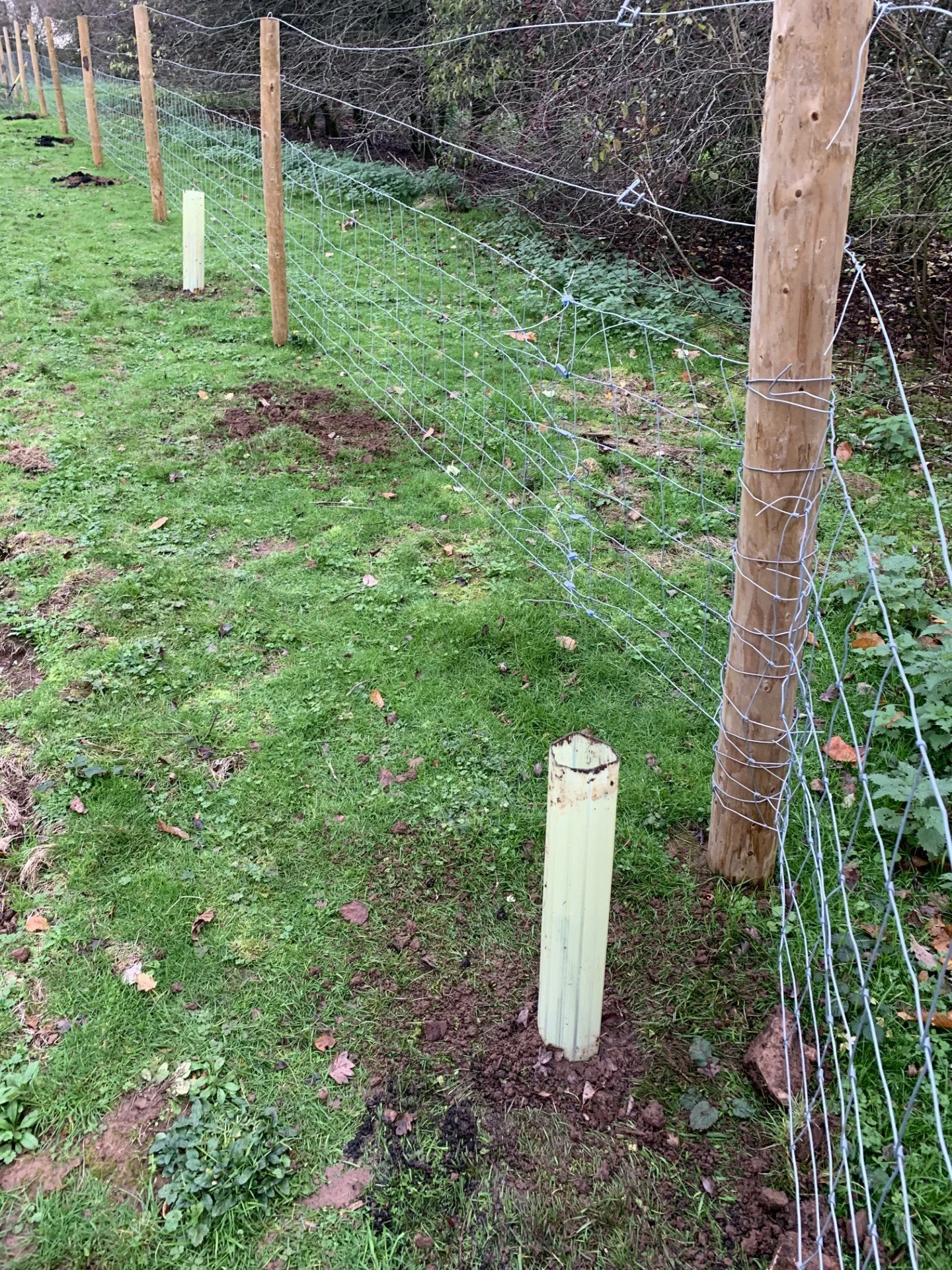
We planted them with the soil mixed with organic manure soil improver and then added rabbit enclosures followed by giving them lots of water. We will remove the guards and prune them to stimulate growth once we have completed the perimeter fencing which should hopefully protect the vineyard from both rabbits and deer which are both abundant in Tidenham Chase.
Planting Roses
Today was an exciting one as we finally started to plant! The vines will arrive in early spring but today we started to plant our bare root climbing roses which will grow up and along the vineyard perimeter fencing.
Roses are planted in vineyards as “sentinel plants” — they act as early warning systems for pests and diseases while also adding beauty and biodiversity. Today, many vineyards do not plant roses and instead rely on synthetic treatments. However, we believe that they remain valuable for tradition, ecology, and aesthetics. We will use them as part of sustainable farming practices, blending heritage with modern viticulture.
Roses are highly susceptible to fungal diseases like powdery mildew and downy mildew. They also attract pests such as aphids before they reach the vines. If these are detected on the roses first, we will know that conditions are ripe for the same problems in grapevines and will be able to act quickly.
Roses also attract beneficial insects (ladybirds, bees, butterflies) that help control pests and pollinate, increasing biodiversity.
However, lets face it, the main reason for growing climbing roses around the total perimeter of the vineyard is that they will look beautiful!
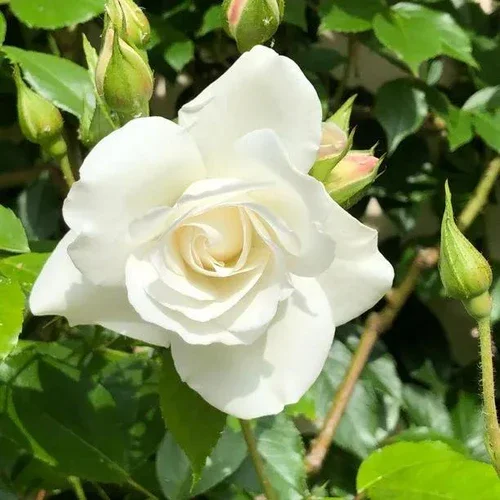
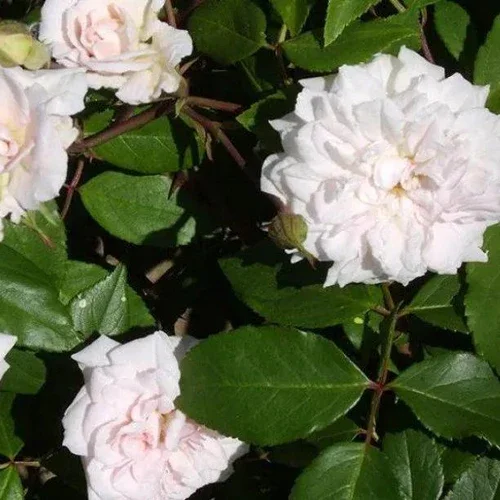
We are planting two varieties of roses: Climbing Iceberg and Cecile Brunner. They are both hardy, disease-resistant, repeat-flowering, and thrive in the same well-drained soils that suit vines. Their vigorous growth and long flowering season make them excellent companions for vineyard aesthetics.
Climbing Iceberg has beautiful large clusters of pure white, semi-double blooms from June to October.
Cecile Brunner produces masses of small, pale pink, fragrant blooms from summer into autumn.
Ground Preparation
Hi. I have included a short video below showing the vineyard being ploughed and harrowed.
Welcome to our Blog
Thank you for your interest. This blog will depict the establishment of our vineyard “Wye Chase” which began in June 2025.
We have owned this land for about 20 years and used it to establish a small holding, including growing christmas trees, fruit trees, raising pigs, rearing hens in order both to sell eggs via a local egg round and to sell rare breed fertilised eggs, rearing turkeys and geese for Christmas.
The fields all face almost directly south with a slope of approximately 10 to 15 degrees. It is surrounded by trees which offers protection from the wind but they are not too close to block any light. Soil tests revealed that the soil was very slightly acidic, free draining (due to the limestone rock abundant in this area) and all the necessary nutrients were available in abundance. We are incredibly lucky as all of these characteristics are perfect for the establishment of a vineyard.
The photograph below shows what may look to be a “blank sheet” ready for work to commence but actually a lot of work had already been put in to get to this stage. This central field had been allowed to grow uncontrolled for about 10 years and was therefore completely covered by brambles. These were cleared and the land was then ploughed and power harrowed. We then planted slow growing fescue grass varieties with a good percentage of clover in order to naturally capture Nitrogen so that we do not need to add any synthetic fertilisers